Bonus Redemption Patterns Among Swiss Players Shifting from Live Casinos to Mobile Poker Apps
Geschrieben von Elena Otto · 2.10.2026

Bonus Redemption Patterns Among Swiss Players Shifting from Live Casinos to Mobile Poker Apps
Swiss players have shown clear shifts in bonus redemption activity as they move from live casino environments to mobile poker applications, with data indicating higher frequency of smaller redemptions on apps compared to occasional larger claims at physical tables. Researchers tracking these patterns note that October 2026 marked a notable uptick in mobile redemptions, coinciding with updates to several international poker platforms that adjusted bonus structures for regulated markets. Observers point to Swiss banking integration features as one driver, since they allow seamless transfers that support repeated small-scale bonus claims throughout the week rather than single large events.
Tracking Redemption Frequency Across Platforms
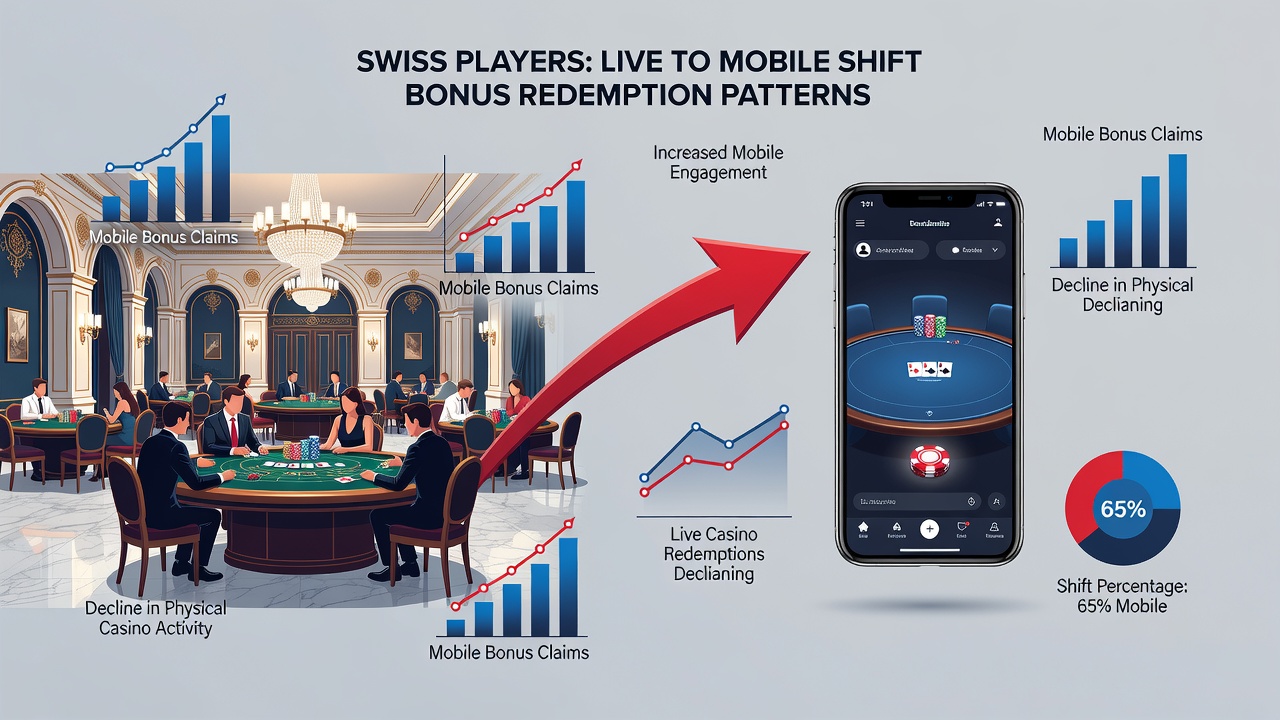
Figures from industry reports reveal that players completing the transition often redeem bonuses two to three times per week on mobile apps, whereas live casino visits typically involved one redemption per month or less. This change stems from app features that notify users of time-sensitive offers and track progress toward wagering requirements in real time, while live settings rely on in-person staff interactions that limit spontaneous claims. Data shows Swiss users favor reload bonuses and loyalty points on apps because these tie directly into daily tournament schedules, creating steady redemption cycles that align with mobile play habits.
One analysis of transaction logs indicated that average redemption amounts dropped from around 150 Swiss francs at live venues to under 50 francs on apps, yet total monthly volume rose by approximately 40 percent among the same group of players. Those monitoring the trend attribute part of this to the convenience of instant verification through Swiss payment systems, which reduces delays that once discouraged frequent claims at physical locations. Experts have observed that players who split time between both formats still reserve larger live redemptions for special events, while handling routine bonuses exclusively through their phones.
Influences from Regulatory Updates and App Design
Swiss regulations on online gambling continue to shape how bonuses appear and get redeemed, with requirements for transparent wagering terms leading platforms to simplify claim processes on mobile interfaces. According to information published by the Swiss Federal Department of Justice and Police, recent guidelines emphasize player tracking that helps identify repeated redemptions without exceeding deposit limits, a factor that encourages more measured use of mobile offers. App developers responded by adding filters that sort bonuses by expiration date and game type, making it easier for users to select options that match their preferred poker variants.
Studies from European research institutions further document that Swiss players increasingly combine mobile redemptions with multi-table tournaments, since bonus funds can be applied across several games simultaneously without leaving the app. This pattern differs from live casino approaches, where bonuses often applied only to specific tables or sessions booked in advance. Observers note that the integration of biometric login on Swiss devices has accelerated these habits, allowing quick access during short breaks that were previously too brief for live venue visits.
Comparative Data from Regional Studies
Research conducted by gaming analytics groups across different jurisdictions provides context for the Swiss shift, with one Canadian report highlighting similar increases in mobile bonus activity after regulatory clarity improved. Australian university studies on player behavior likewise found that app-based redemptions rose steadily once payment flows stabilized through local banking channels, mirroring patterns seen among Swiss users. These cross-regional comparisons suggest that the move away from live casinos stems less from preference changes and more from the practical advantages of always-available offers.
Transaction data compiled through October 2026 shows that Swiss players who adopted mobile poker apps early maintained higher overall redemption rates even during periods of lower tournament traffic, indicating that bonus structures rather than event schedules drive the activity. Industry organizations tracking these metrics emphasize the role of loyalty programs that carry over between live and mobile formats, yet reward consistent app usage with accelerated point accumulation. Players often discover that combining a live event bonus with ongoing mobile redemptions creates layered benefits without violating any single platform's terms.
Payment Flow Adjustments and Player Adaptation
Swiss banking habits have adapted to support the new redemption rhythm, with many users linking e-wallets that process smaller transfers instantly while reserving traditional bank wires for larger live casino winnings. This division helps maintain clear records for regulatory compliance and simplifies tax reporting when required. Those studying the flows report that app developers have introduced automated reminders tied to Swiss calendar events, such as public holidays, which prompt redemptions during times when players have more available playtime.
Evidence from platform analytics indicates that tutorial sections explaining bonus types have reduced confusion during the transition, leading to fewer expired offers among newer mobile adopters. The result appears in sustained engagement levels that exceed previous live-only patterns, even as overall casino visit frequency declines. Researchers continue to monitor how these adaptations evolve with further updates to both Swiss rules and international poker app features.
Conclusion
Patterns in bonus redemption among Swiss players reflect a broader move toward mobile poker apps, driven by convenience features, regulatory alignment, and payment integrations that support more frequent smaller claims. Data collected through late 2026 underscores these shifts without indicating any single dominant cause, instead pointing to multiple overlapping factors that together encourage the observed changes. Continued tracking by regulatory bodies and research groups will clarify how these habits develop alongside new platform tools and regional guidelines.