Mapping Regional Differences in Poker App Adoption Across Swiss Cantons
Geschrieben von Elena Otto · 30.10.2026
Mapping Regional Differences in Poker App Adoption Across Swiss Cantons
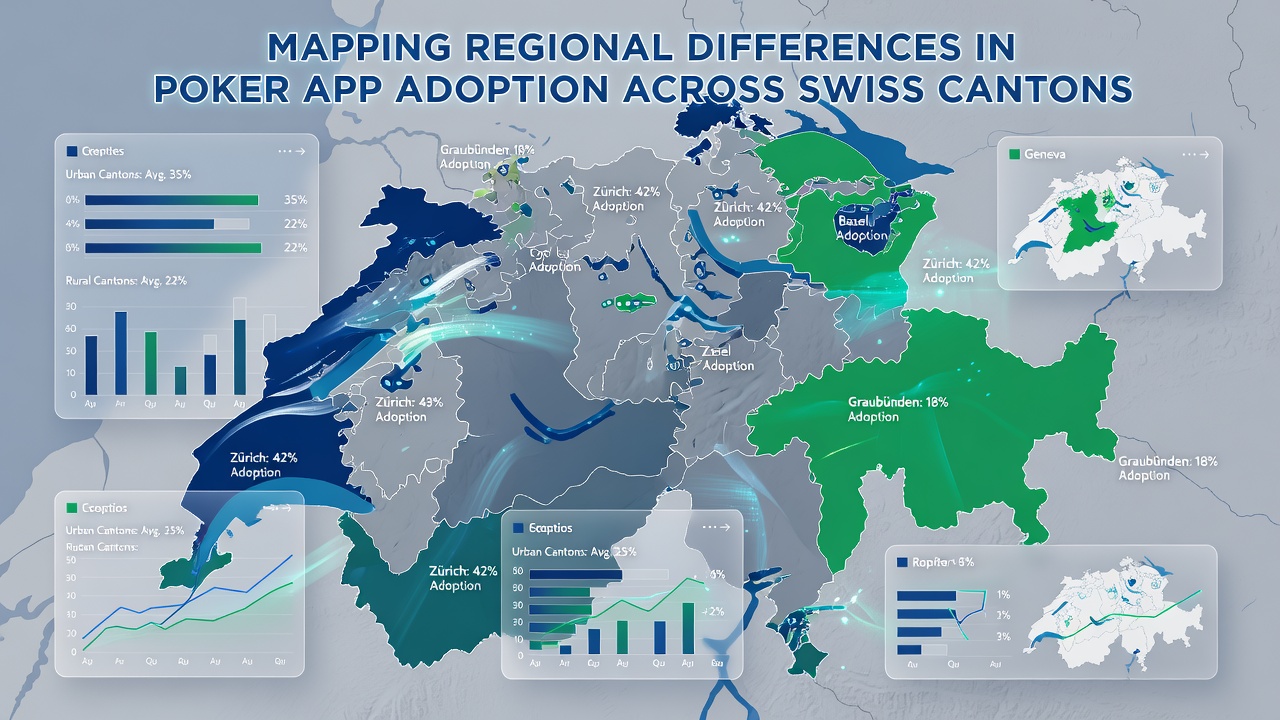
Swiss cantons display distinct patterns in poker app adoption that reflect differences in population density, internet infrastructure, and local economic conditions, and data compiled through 2026 continues to highlight these variations across the country's 26 administrative regions. Urban centers such as Zurich and Geneva report higher download rates for regulated poker platforms while more rural areas including Uri and Appenzell Innerrhoden show slower uptake even as overall mobile connectivity improves nationwide.
Population Density and Infrastructure Drive Early Adoption
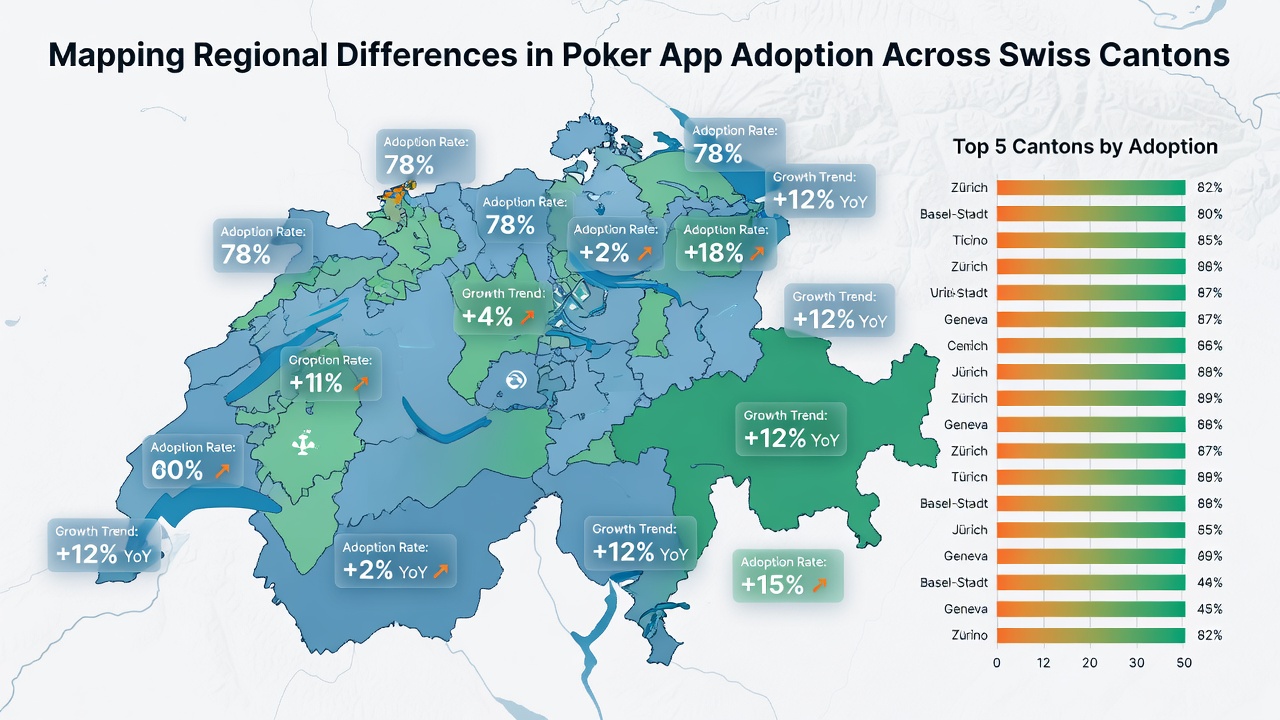
Cantons with larger cities benefit from faster 5G rollout adn greater smartphone penetration, which directly correlates with increased engagement in digital poker applications according to figures released by the Swiss Federal Statistical Office. Zurich canton recorded the highest per capita usage in the first half of 2026, followed closely by Basel-Stadt and Vaud, whereas smaller mountain cantons lagged by margins of up to 40 percent in the same period. Observers note that reliable broadband availability allows residents in these urban zones to participate in evening tournaments without connectivity interruptions, while remote valleys still face occasional service gaps that discourage sustained app use.
Linguistic Regions Shape User Preferences and Platform Choices
German-speaking cantons tend toward platforms offering localized German-language support and integrated payment options familiar from domestic banking systems, whereas French-speaking areas such as Geneva and Neuchâtel show stronger interest in multilingual interfaces that accommodate cross-border players from neighboring France. Italian-speaking Ticino maintains its own adoption curve influenced by proximity to Italian markets, and researchers tracking app store data through October 2026 found that Ticino users favored apps with seamless currency conversion features more often than those in central Switzerland. These linguistic divides create measurable differences in which operators gain traction within each region, and the patterns persist even as federal licensing standards apply uniformly.
Demographic profiles further explain why certain cantons outpace others in mobile poker activity. Younger populations concentrated around university towns accelerate early adoption, while older demographics in agricultural cantons approach new apps with greater caution. Cantons like Aargau and Thurgau sit in the middle range, balancing suburban growth with traditional industries that limit discretionary time for online gaming.
Payment Habits and Cross-Border Tournament Participation
Banking preferences also vary by canton and influence which poker apps residents select for tournament entry. Users in financial hubs like Zug integrate crypto options more readily than those in eastern cantons where traditional bank transfers remain dominant. A 2025 industry report prepared by the European Gaming Association documented these payment flow differences and noted that cantonal banking cultures continue to steer choices even after nationwide regulatory harmonization took effect. Players from wealthier regions participate more frequently in international events hosted on global platforms, while participants from lower-income cantons stick to smaller-stakes domestic games.
October 2026 Data Reveals Ongoing Shifts
Updated statistics released in October 2026 by the Swiss Federal Office of Justice confirmed that adoption gaps between the top five cantons and the bottom five had narrowed slightly compared with 2024 measurements, yet the ranking order stayed largely consistent. Increased promotional campaigns by licensed operators and improved data security features contributed to modest gains in previously slower regions. Analysts tracking app metrics observed that holiday periods and major sporting events temporarily boosted downloads across all cantons, though the spikes proved more pronounced in areas already showing higher baseline usage.
Conclusion
Regional differences in poker app adoption across Swiss cantons stem from a combination of infrastructure readiness, linguistic preferences, demographic composition, and established financial habits. Continued monitoring through official channels will track whether current trends toward greater uniformity accelerate or stabilize in coming years, and the data collected provides a clear record of how local conditions interact with national regulatory frameworks to shape user behavior.